Book Review: Pachinko
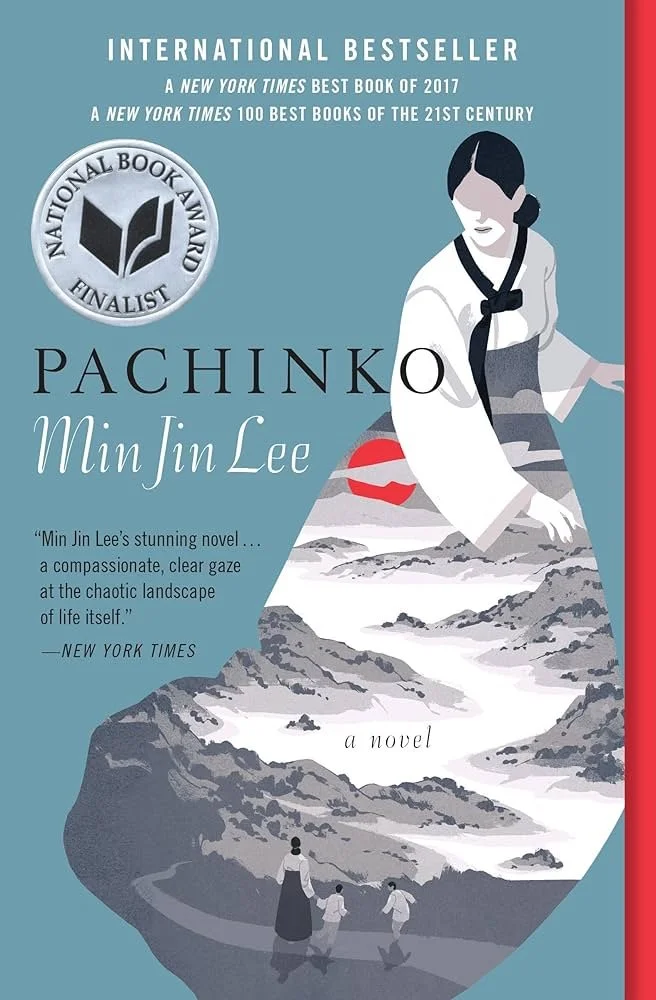

Pachinko follows the eight-decade journey of four generations of a Korean family, beginning with Sunja, a young woman from a poor fishing village, and tracing their lives through migration, discrimination, war, and political upheaval. Across the generations, the story explores questions of identity, belonging, and resilience against the backdrop of Korean and Japanese history.
If I were to describe Pachinko in a sentence, it would be this: What does life look like when the rules never change?
The novel refuses to sentimentalise and spotlight tragedy. For the characters, stopping to process pain is simply a luxury they don’t have. Deaths arrive without narrative emphasis, and are treated as another instance, another day. In Pachinko, the rules of the world are fixed. The system remains intact. Survival comes first.
The book feels emotionless, even when emotions are present. It denies me climaxes, pauses, or moments of contemplation.
As I read, I felt weary, not out of dread or boredom but out of empathy. There is no protagonist. Sunja functions only as an anchor, holding lives together as history moves around her.
Pachinko worked, but not in a way I loved.
But then again, books that mark us quietly linger longer.
