Meeting Ohi At Ohi-Ohi Shop
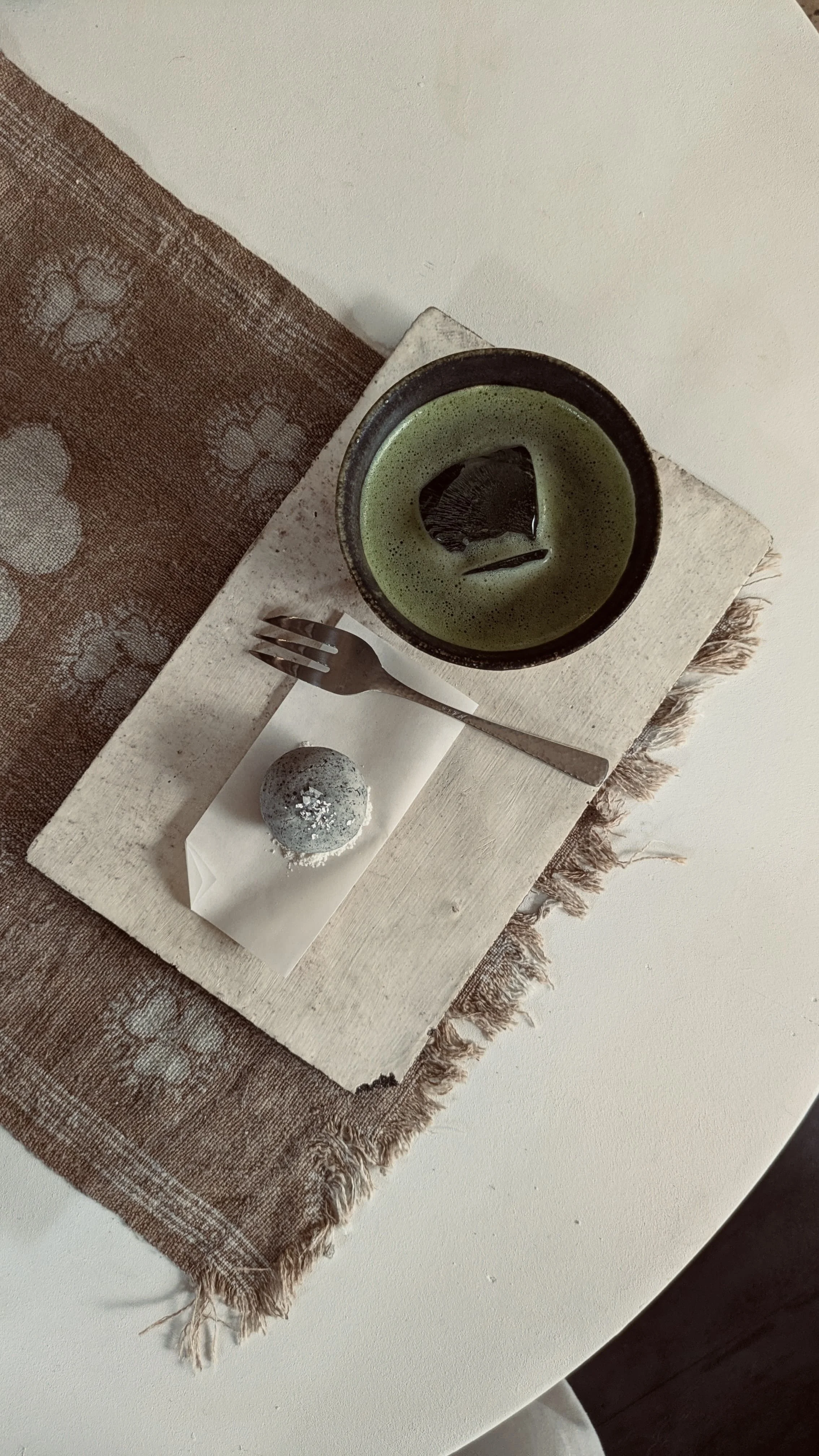
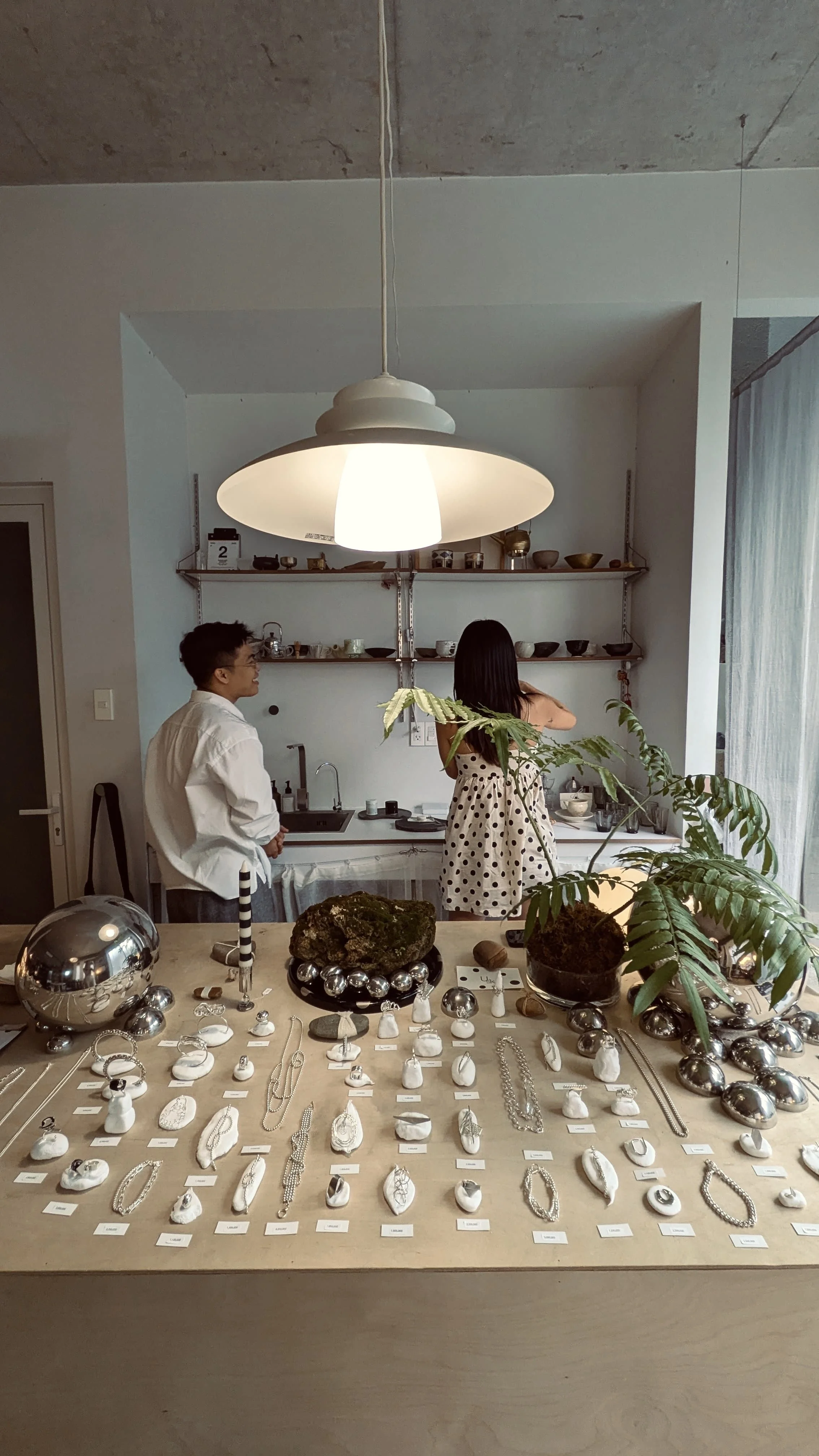
One of my favourite parts of my short trip to Ho Chi Minh City was meeting Ohi.
The taxi dropped us off at the mouth of a narrow street just off the busy road, and we wandered into an unassuming neighbourhood where everyday life unfolded. A motorcycle zipped past. A neighbour sang unabashedly into a karaoke mic, his voice spilling into the afternoon air. At a cafe that looked more like a home than a shop, a group of gentlemen leaned into an after-lunch debate.
Before we could even ask, they gestured us towards Ohi’s pottery shop as if they had been expecting us all along.
Of course, the tourists.
Then, at the bend, a door slid open and out popped Ohi’s head. Stepping into Ohi’s pottery shop felt like stepping through a portal. Out of the city’s restless pulse and into a gentler rhythm. Time seemed to stretch there, unhurried and eternal, as if the world outside had momentarily forgotten to rush. We were also greeted by Ohi’s companion, Usako-san, who was showcasing her jewellery collection there.
We had booked a matcha experience with Ohi, but it was our chat that lingered long after we left. “How did this pottery shop come to be?” I asked, and that simple question unfurled a story of how he walked away from the corporate world three years ago to create this quaint space. I won’t share too much, for parts of that story felt deeply personal. But he spoke with so much passion about how that decision reshaped his life and thinking. It led him to a place of deep appreciation: for craft and culture, for heritage and legacy, and for peace and quiet.
He wanted a modern home to hold onto a piece of tradition or an object often seen as a luxury, like the caviar spoon he saw in Paris, in an uncomplicated and accessible way.
And so, Ohi-Ohi was born.
We went on to talk about his stints in Singapore and Paris, and his creative community of friends in dining, architecture, and fashion – one of whom is Usako, who settled in Ho Chi Minh City with her husband a year ago. I felt a spark of excitement listening to him speak of this world with much endearment.
Ohi reminded me of this: Living should feel intentional.
It is an act of presence rather than survival. It is crafting a life that is lived, not simply passed through. It is choosing what deserves our time and energy and slowing down just enough to savour the present.
For Ohi, he paused his life to carve out a new one. How envious and inspired I am by his courage to stop and breathe. As I stepped out into the city’s inescapable heat, I felt grateful for this brief moment of reset – and for Ohi’s story that made it possible.
And the next time I return to Ho Chi Minh City, I’ll be sure to seek out the natural wine bar (called Lua if you’re interested) he so warmly recommended.
